
Situation
A business wallet sent USDC to a phishing contract. Within hours, funds moved through two intermediary wallets and deposited to a major exchange.
Ecosystem
Lenix connects tracing, recovery workflows, and settlement infrastructure across the crypto stack.
Pick the entry point that matches your situation. Each path has dedicated tooling and a clear next step.

Multi-sig custody and monitoring for teams that need assets held on-chain.
Explore security
Tracing, exchange coordination, and legal pathways when crypto is lost, stolen, or stuck.
Start recovery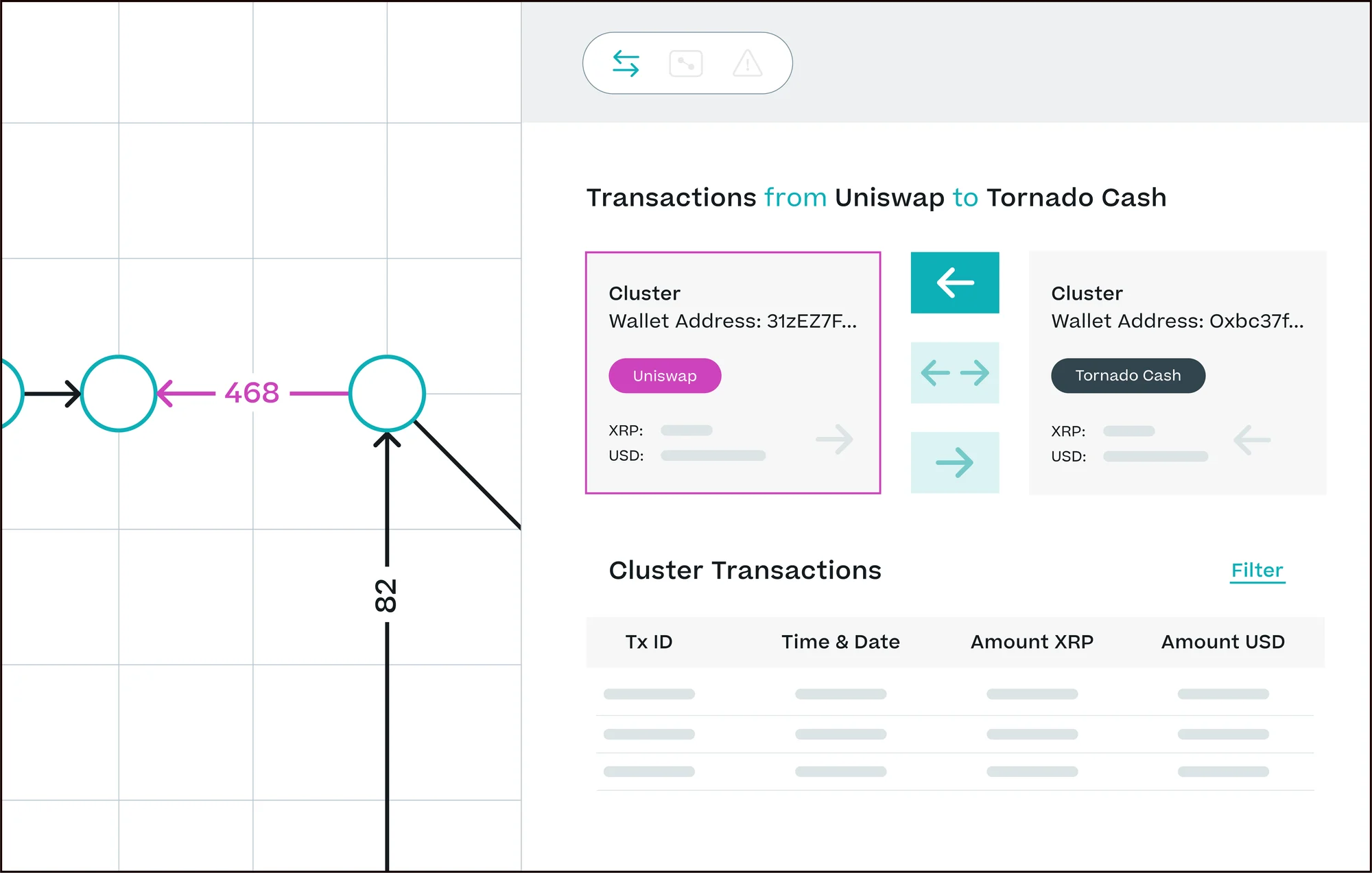
Wallet-level investigations and transaction mapping for compliance teams and legal review.
View forensics
Crypto-to-fiat payments, lending, wallet, and vault tools for moving and holding value.
View solutionsHow it works
A structured process designed for victims, compliance teams, and counsel—not vague promises.

Step 1
Share wallet addresses, transaction hashes, timelines, and what happened. Initial review is free.
Step 2
We follow funds across chains, mixers, bridges, and exchange deposits to identify where value landed.
Step 3
You receive documented findings formatted for exchange compliance desks, regulators, or legal counsel.
Case example
Anonymized example. Identifiers changed. The process is representative—not a promise that funds will be returned.

A business wallet sent USDC to a phishing contract. Within hours, funds moved through two intermediary wallets and deposited to a major exchange.
We mapped the full transaction path, labeled the deposit address, and prepared an evidence packet with transaction graphs and timeline notes for the exchange compliance team.
The exchange compliance desk accepted the filing. Funds were frozen pending review. Counsel received the same documentation for parallel legal steps.
Results vary by case, jurisdiction, and exchange response time. This example shows how Lenix documents a trail—not every case ends in recovery.

Operating standards
Recovery is a target for scams. Lenix follows practices that serious firms use to protect victims and institutions.
We do not ask for advance payments to release, unlock, or transfer your funds.
No remote access, no private keys, no recovery phrase requests—ever.
Lenix prepares evidence and coordinates pathways. We are not a custodian for your wallet.
If a trail is exhausted or recovery is unlikely, we say so before paid engagement.
Role-based access and monitoring on production flows.
Tracing workflows support major EVM networks and common asset types used in theft cases.

Verification
Access controls, monitoring, and written limits on who sees case files.
Production payment and custody paths use role-based access and monitoring.
Security practices →The whitepaper explains how recovery, custody, and payment modules connect—and where LNX fits in the protocol design.
Read whitepaper →